
If you're running a small business in the UK, you've probably heard the buzz about virtual accounting. Maybe you're wondering if it's just another tech trend or something that could actually make your life easier. Spoiler alert: it's the latter.
Virtual accounting isn't about replacing your accountant with a robot (though there is some clever automation involved). It's about working smarter, saving money, and getting real-time insight into your finances: without the hassle of traditional office-based accounting.
Here are 10 things every UK small business owner should know before making the switch.
1. You'll Save a Serious Amount of Money
Let's talk pounds and pence. Virtual accounting eliminates the need for expensive office space, full-time salaries, and all those hidden costs that come with in-house staff.
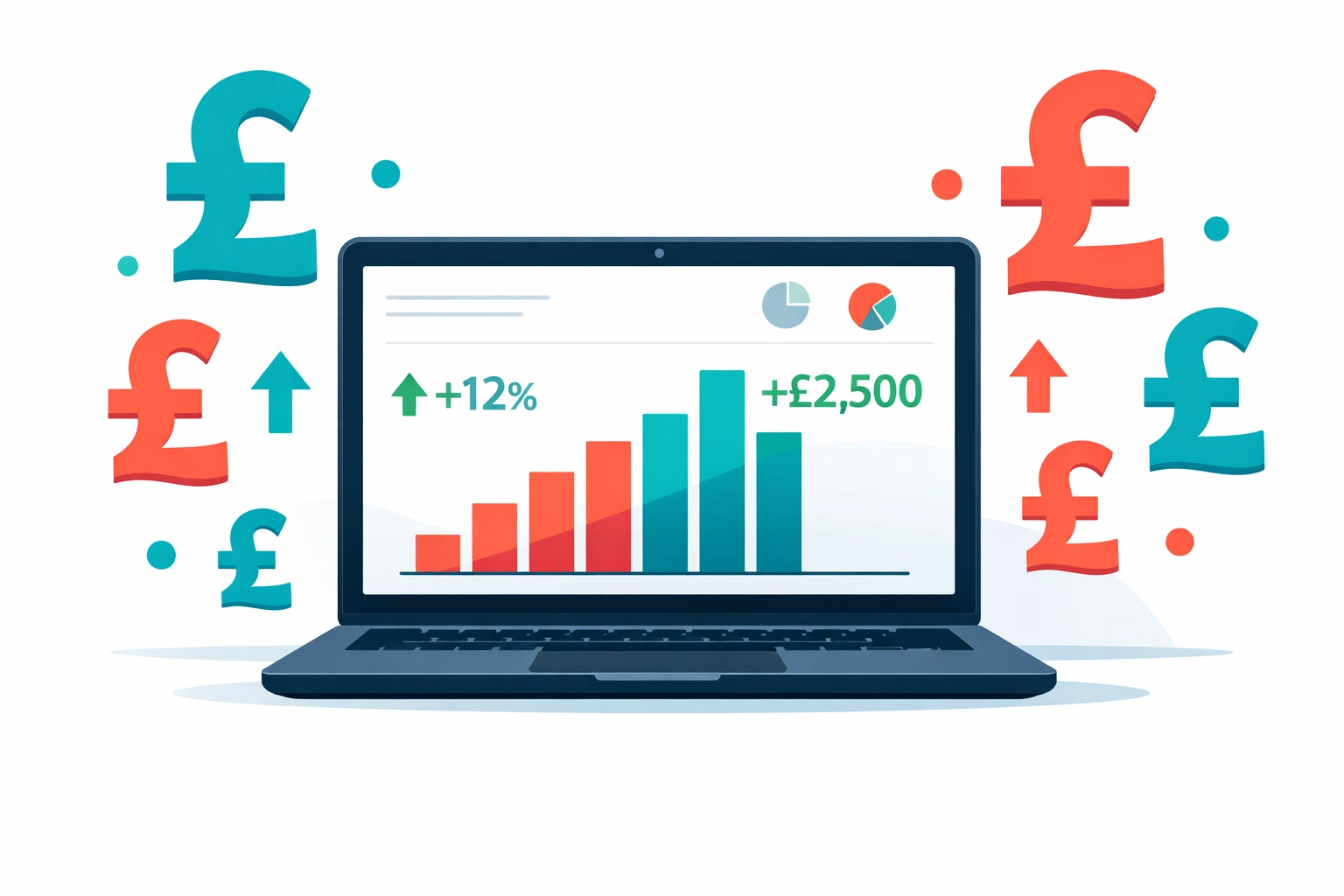
One small boutique in Notting Hill saved over £3,000 in their first year alone. A retail client in Brixton? They cut their manual bookkeeping time by 10 hours per week. That's time they could spend actually growing their business instead of drowning in spreadsheets.
When you're paying only for the services you actually need: rather than a full-time salary whether you need 40 hours of work or 4: the savings add up fast.
2. Automation Handles the Boring Stuff (So You Don't Have To)
Remember those evenings spent manually entering invoice data or reconciling bank statements? Cloud-based accounting software automates most of that tedious work.
The technology scans invoices, categorizes transactions, and updates your books automatically. Some platforms even use AI that's getting smarter every year. Industry experts predict these tools will improve productivity by 40% by 2035, but you don't need to wait a decade: the benefits are available right now.
3. Real-Time Visibility Means No More Surprises
Traditional accounting often means waiting weeks (or months) to see where your business actually stands financially. Virtual accounting flips that script entirely.
With cloud-based systems, you can check your cash flow, profit margins, and financial health anytime, anywhere. Spot a potential cash flow crunch before it becomes a crisis? You can take action immediately. Notice an opportunity to invest in growth? The data's right there to help you make informed decisions.
This real-time visibility is like having financial X-ray vision for your business.
4. Your Business Can Scale Without Growing Pains
Here's the beauty of virtual services: they grow (or shrink) with you.
Starting with basic bookkeeping but planning to expand into multiple locations? Need extra support during your busy season but less during quieter months? Virtual accounting adapts without you having to hire, train, or lay off staff.
One month you might need help with payroll and VAT returns. The next, you're launching a new product line and need more detailed financial projections. Your virtual accounting service can flex to match your needs without missing a beat.
5. You Get Expert Knowledge Without the Expert Price Tag
UK tax regulations change regularly. EU compliance requirements can be confusing. Making a mistake can cost you big time in penalties and corrections.
Virtual accounting providers employ highly trained professionals who stay on top of all the latest rules, regulations, and best practices. You're essentially getting access to a whole team of experts for a fraction of what you'd pay to keep even one specialist on staff.
Think of it as having a finance department on tap: without needing to provide office space, equipment, or employee benefits.
6. Fewer Mistakes Mean Fewer Headaches
We're all human. When you're manually entering hundreds of transactions, mistakes happen. But those mistakes can lead to compliance issues, incorrect tax filings, and financial decisions based on wrong data.
Automated platforms dramatically reduce human error in tasks like invoice processing, bank reconciliation, and payroll. The software double-checks calculations and flags inconsistencies before they become problems.
The result? More accurate books, better compliance, and peace of mind that your numbers actually reflect reality.
7. Collaboration Becomes Seamless
Remember emailing spreadsheets back and forth? Worrying about version control? Wondering if your accountant is looking at the latest figures?
Cloud accounting eliminates all that friction. Multiple users can access the system simultaneously with customized permission levels. Your accountant sees real-time data whenever they need it. You can both view the same dashboard, discuss the same numbers, and make decisions based on identical information.
It's like having your accountant sitting beside you: even when they're actually working from their home office 50 miles away.

8. Remote Work Isn't Just a Buzzword: It's a Real Advantage
London's business costs are notoriously high. Rent, rates, utilities: it all adds up. Virtual accounting means your finance function can operate from anywhere without compromising visibility or control.
Your external accountant doesn't need to commute to your office. You don't need to provide desk space. And if your business has team members working remotely, everyone can access the same financial information regardless of location.
This flexibility became crucial during recent years, but it remains valuable for cost-conscious businesses navigating today's economic landscape.
9. You Still Get Accountant Support When You Need It
Here's an important clarification: virtual accounting doesn't mean you're completely on your own.
Most small businesses still need professional support for tax returns, year-end accounts, and complex financial decisions. The difference is that your accountant has instant access to your latest figures online. No need for in-person meetings unless you want them. No exchanging paper documents or USB drives.
Your accountant can review your accounts, spot issues, and provide advice: all while you're both looking at real-time data. It's the best of both worlds: modern technology plus human expertise.
10. You Only Pay for What You Actually Use
Traditional accounting often means fixed costs regardless of your actual needs. Quiet month? You're still paying. Busy season? You might be struggling to keep up.
Virtual accounting flips this model. You pay for the services you need when you need them. Need extra support preparing for a VAT inspection? Add it temporarily. Only need basic bookkeeping this quarter? Scale back accordingly.
This flexibility is invaluable for businesses with seasonal fluctuations, those in growth phases, or anyone who wants to control costs without sacrificing quality.

Making the Switch
Virtual accounting isn't the future: it's the present. Thousands of UK small businesses have already made the transition and are seeing real benefits in their bottom line, their time management, and their peace of mind.
The technology is proven, the cost savings are real, and the flexibility can transform how you manage your business finances. Whether you're a one-person band or a growing team, virtual accounting offers a practical, scalable solution that adapts to your specific needs.
The question isn't really whether virtual accounting makes sense for your business. It's whether you can afford to keep doing things the old way.